

Schools Breed Germs
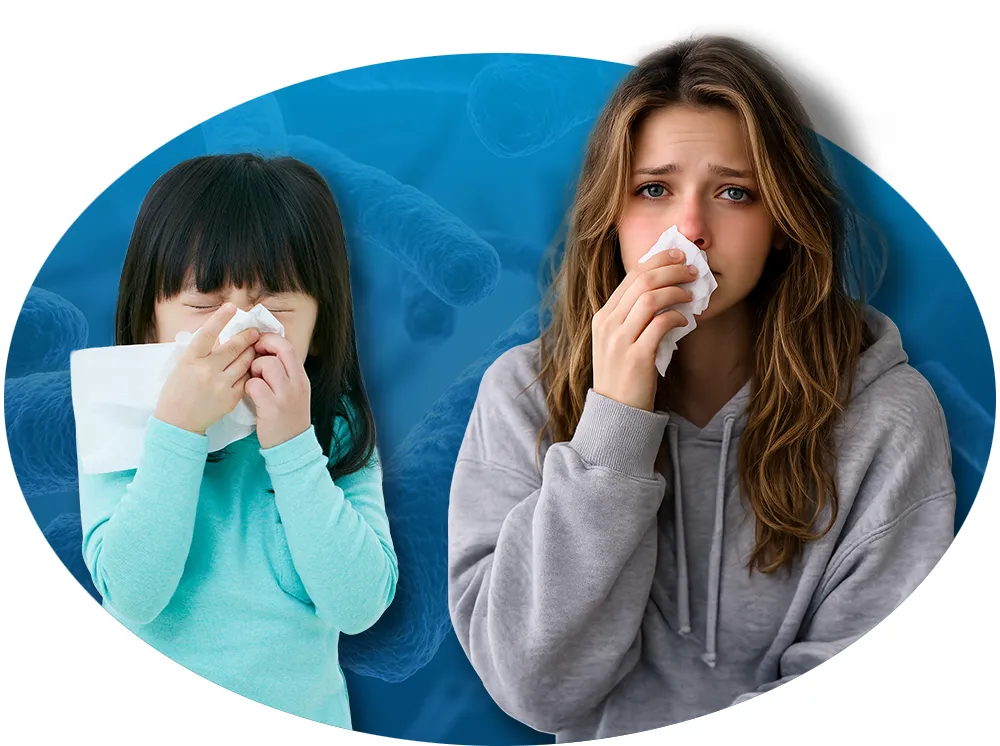
Classrooms have long been the breeding ground for viruses and bacterial infections, as any parent would be quick to testify. The proximity of children in a small, enclosed space is a sure-fire recipe for germ transmission. School administrators have recognized the need for proper ventilation methods to prevent pathogens from lingering and being inhaled. However, keeping windows and doors open to facilitate better air circulation presents safety issues and distractions from learning.
The onset of the COVID-19 pandemic caused many schools to implement a multi-layered strategyopen_in_new to improve ventilation:
- Upgrading HVAC systems
- Installing HEPA filters
- Utilizing UVGI (Ultraviolet Germicidal Irradiation)
The ABCs of Fighting Infection in Schools

ADMIT THAT YOU NEED A MORE ROBUST DISINFECTION PLAN

BELIEVE IN THE POWER OF GERMICIDAL ULTRAVIOLET

CONTROL ILLNESSES FOR HEALTHIER STUDENTS & STAFF
“Educational facilities for children and students are focal points for disease transmission and as such they are ideally suited to UV applications that inhibit the transmission of contagious diseases.”
—Wladyslaw Kowalski, UV Germicidal Irradiation Handbook, 2009
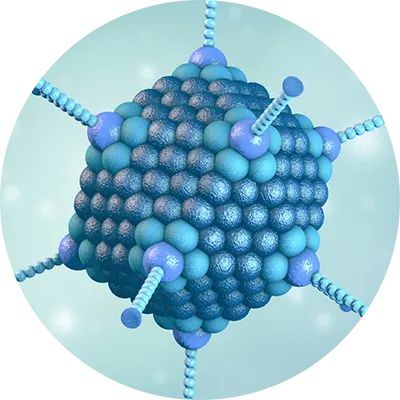
Common School-Borne Microbes Neutralized by UV Disinfection


A New Technology Discovered
The power of UV technology was discovered and harnessed between the late 1800s and the early 20th century. Several scientists played instrumental roles in the evolution of ultraviolet light as a tool for neutralizing pathogenic microorganisms. Light in the UV-C spectrum band disrupts DNA at the molecular level, making it impossible for viruses and bacteria to replicate. In effect, they are rendered harmless. Several governmental agencies such as the CDCopen_in_new, the EPAopen_in_new and ASHRAEopen_in_new acknowledge that the use of UV-C technology is an effective form of disinfection, used in combination with other methods.
“UVC/UVGI equipment has been shown to be very effective in deactivating viruses and other infectious agents.”
—ASHRAE: Design Guidance for Educational Facilities

How William F. Wells Diminished Student Infections
In the 1930s, Harvard engineer William F. Wells studied the effects of UV-C light on airborne disease transmission—introducing UV disinfection to schools in Philadelphia with remarkable resultsopen_in_new. His experiment, initially aimed at fighting measles, utilized upper-room UVGI fixtures that irradiated UV-C light upwards. Room air was treated as it circulated through natural convection and passed over the fixtures—introducing disinfected air throughout the school day. Incidents of infection greatly diminished among the students (13.3% infection rate). In comparison, classrooms not equipped with germicidal ultraviolet units experienced a 53.6% infection rate.
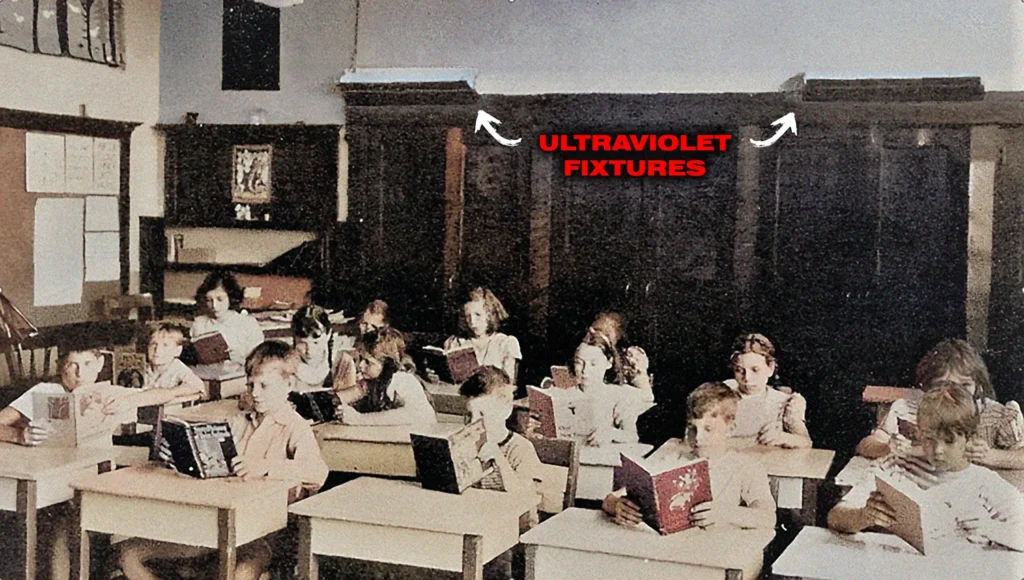
“During the 4-year study in the Germantown Friends School and the 1-year study in the Swarthmore public schools, there has been no epidemic spread of contagion among the highly susceptible groups of children of the primary schools within irradiated atmospheres, although epidemic spread has occurred among less susceptible groups of older children in the departments of schools whose atmospheres were not irradiated.”
—William F. Wells, The Environmental Control of Epidemic Contagion, 1941
Wells’ study proved beyond a doubt that upper room UVGI is an effective means of neutralizing contaminants within an enclosed space. It is unclear why such favorable evidence did not result in the subsequent widespread use of ultraviolet disinfection in schools. Perhaps this was due to the popular misconception that ultraviolet light is always dangerous. The fact is, when used properly, UV light is safe and poses no threat whatsoever to children or adults. Furthermore, since the 1940s, germicidal irradiation has only gotten safer. It has since been embraced in many public applications, including the medical field and the agricultural industry. The CDC even lists ultraviolet germicidal irradiation (UVGI) among acceptable strategiesopen_in_new to combat infection.
Improving Inadequate Ventilation in Schools & Colleges
Educational facilities can be broken down into distinct groups: preschool/kindergarten, elementary, middle/high, and college/university. Naturally, each one of these groups is susceptible to different types of infectionsopen_in_new. For instance, kindergartners show high inclination towards upper respiratory infections like Influenza, while college and university students are more prone to Adenovirus (common cold) outbreaks.
Adequate ventilationopen_in_new is always step one in combating infection within an indoor environment. Although ASHRAE (American Society of Heating, Refrigerating and Air-Conditioning Engineers) has published guidelinesopen_in_new for ventilation in school buildings, many schools don’t meet these requirements because of older buildings or budget cutsopen_in_new. As a result, ASHRAE recommends that these educational facilities adopt one of two methods of UVGI:open_in_new upper room systems (as described earlier) or in-duct HVAC systems.
Sign Up to Receive the Latest UV Content!
Get monthly emails when new pages and blog posts are published, including these upcoming community and municipal application pages:
- Apartments, Condos & Trailer Parks
- Churches & Synagogues
- Fire & Police Departments


Five Effective Methods of UVGI in Schools
Atlantic Ultraviolet Corporation® has several UV disinfection solutions for your school, college, or daycare facility. Our UV specialists can recommend the best models for your setting, room size, and disinfection goals. Read the descriptions below or download our PDF whitepaperopen_in_new for microorganism UV-C doses, installation guidelines, and helpful diagrams.


Upper Room UVGI
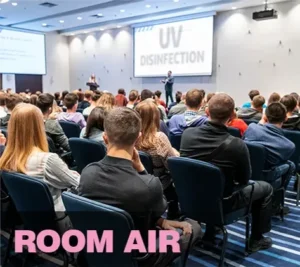
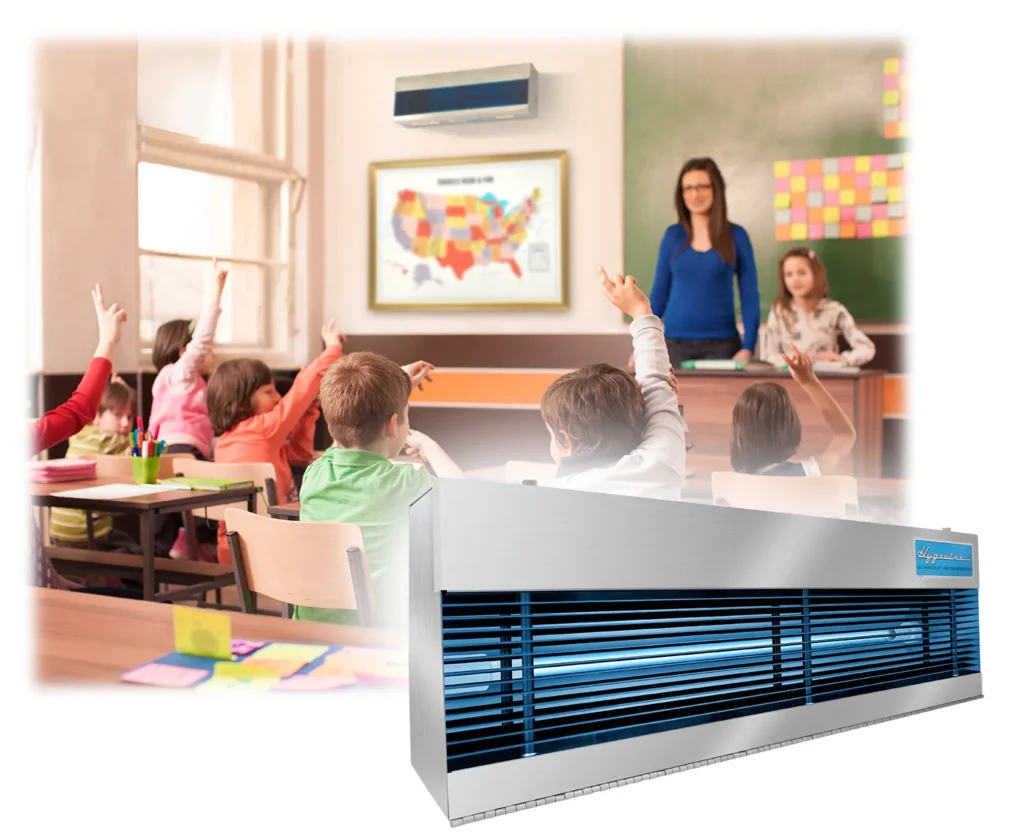
The upper room method of UV disinfection is ideal for multiple applications in colleges and universities. Spaces where large groups of people meet such as lecture halls, cafeterias, libraries, and student centers can benefit from the disinfection provided by this indirect method.
Contaminants that inevitably rise into the disinfection zone by natural air circulation are continuously exposed to damaging UV rays. One of the benefits of this method is that disinfection can safely occur while the room is still occupied. Our Hygeaire® models (wall-mounted or pendant-mounted) achieve this perfectly.
Room Air Disinfection
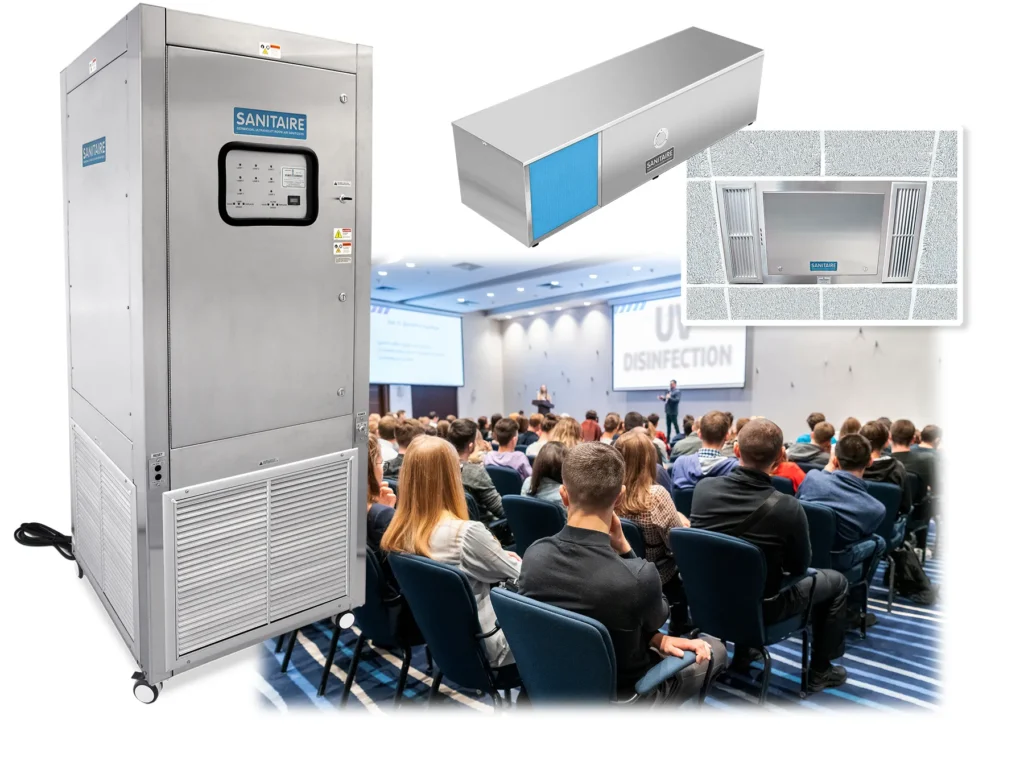
Protect students and faculty from airborne microbes in large, poorly ventilated spaces with our Sanitaire® RSM2680 mobile air sanitizer. Ceiling and wall mounted models also available. Bacteria, mold, and viruses are lurking in crowded places like cafeterias, auditoriums, classrooms, gymnasiums, student and faculty lounges, lecture halls, and break rooms. These units increase the frequency of room air changes by drawing in air through a robust filter, treating it with UV in the reflective exposure chamber, and releasing it back into the space. Since microbes are neutralized, they are unable to inflict harm on instructors and students.
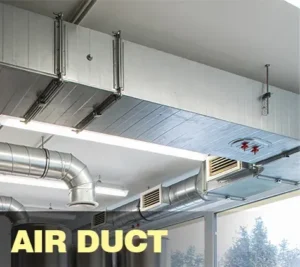
Air Duct Disinfection
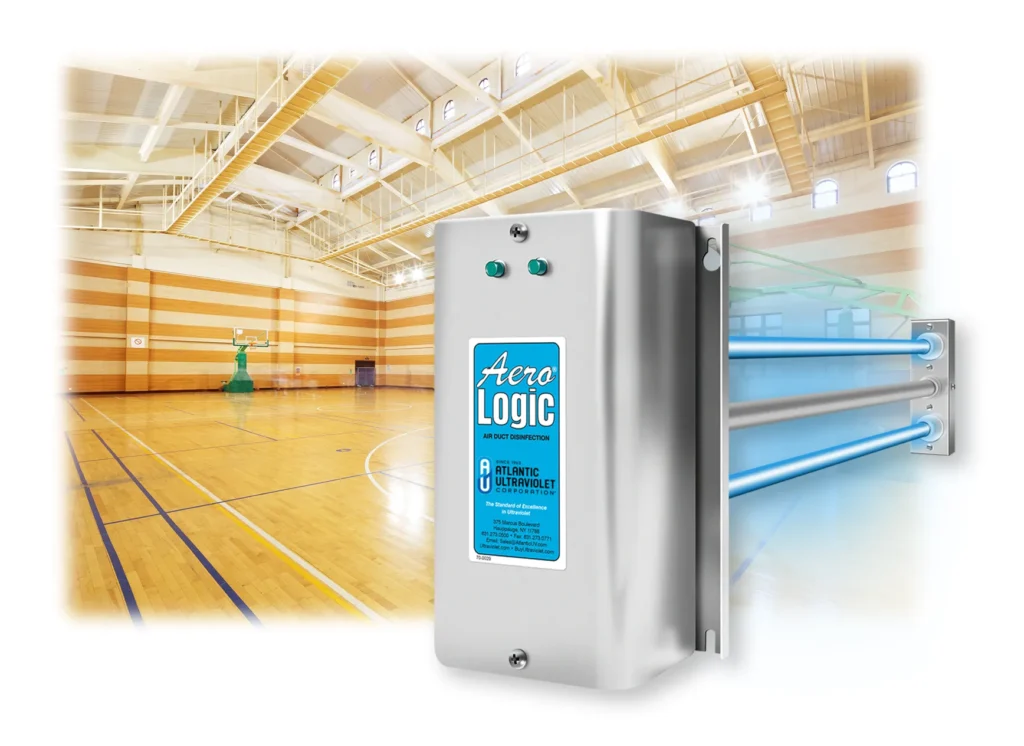
A well-designed and maintained HVAC system serves as the lifeblood of air exchange in a building. In-duct ultraviolet disinfection will vastly improve the indoor air quality of spaces serviced by ducts. University classrooms, gymnasiums, and childcare facilities are given healthier air to breathe after it is exposed to germicidal UV rays near the cooling coils and within the ductwork itself. An extensive Canadian studyopen_in_new cited in The Lancet found a 99% reduction of microbes in a ventilation system after proper use of a UV-C duct disinfection model. Individuals participating in the study experienced significantly fewer headaches, coughs, congestion, and respiratory issues. Our AeroLogic® Duct Disinfection System has various models for your school, college, or daycare center.
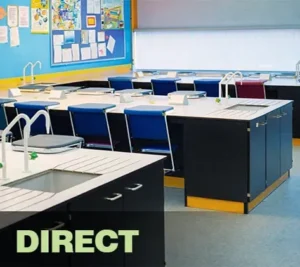
Direct UV Disinfection
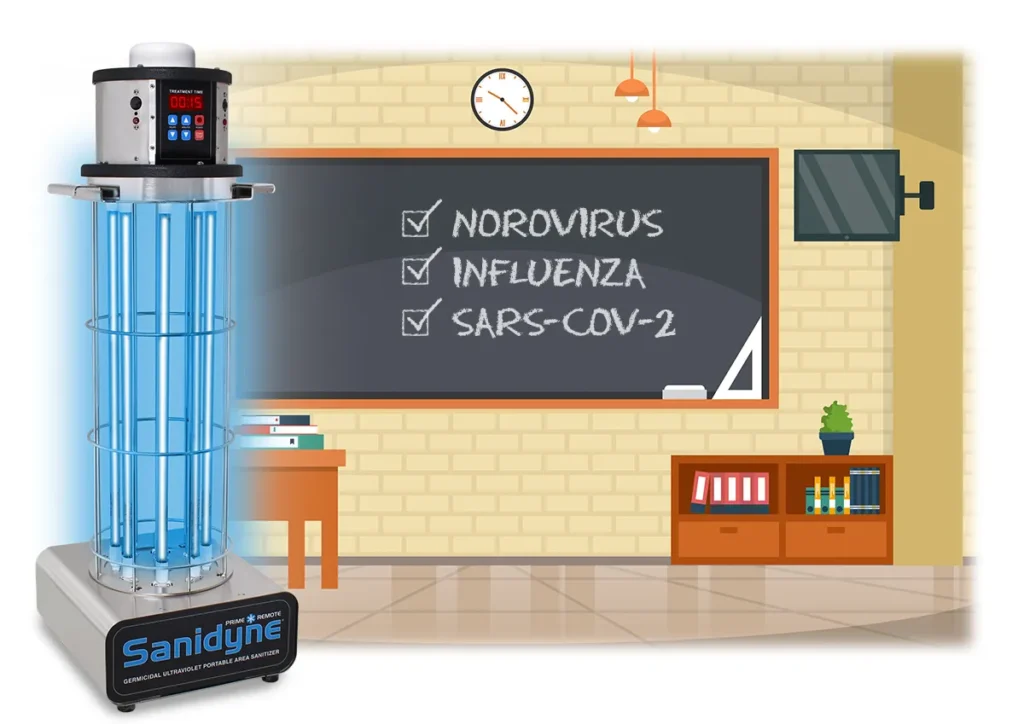
Direct UV-C is an effective means of treating air and surfaces that harbor infection, but it can only be used after hours when no one is present. School children have a propensity to touch their faces, picking up germs and then spreading them to various surfaces like desks, chairs, closets, and door handles. All it takes to spread infection is for another student to touch that area, then touch their face, giving the microorganism an entryway into their bloodstream. Norovirus, one of the major causes of gastroenteritis in children, is a huge culprit in this regard. It can live on surfaces for up to two weeksopen_in_new, and as a result, disrupt classroom attendance.
Combat the threat of pathogens like Norovirus, Influenza, and SARS-CoV-2 with Sanidyne®, a portable ultraviolet unit with exposed lamps. It can be placed strategically to disinfect a particular area, then easily rolled or carried to a new location. This process will greatly minimize the existence of viruses and bacteria that are lingering within the classroom, ready to infect another host. Three models are available with either 4 or 8 high output UV-C lamps.
Point-of-Use Water Disinfection
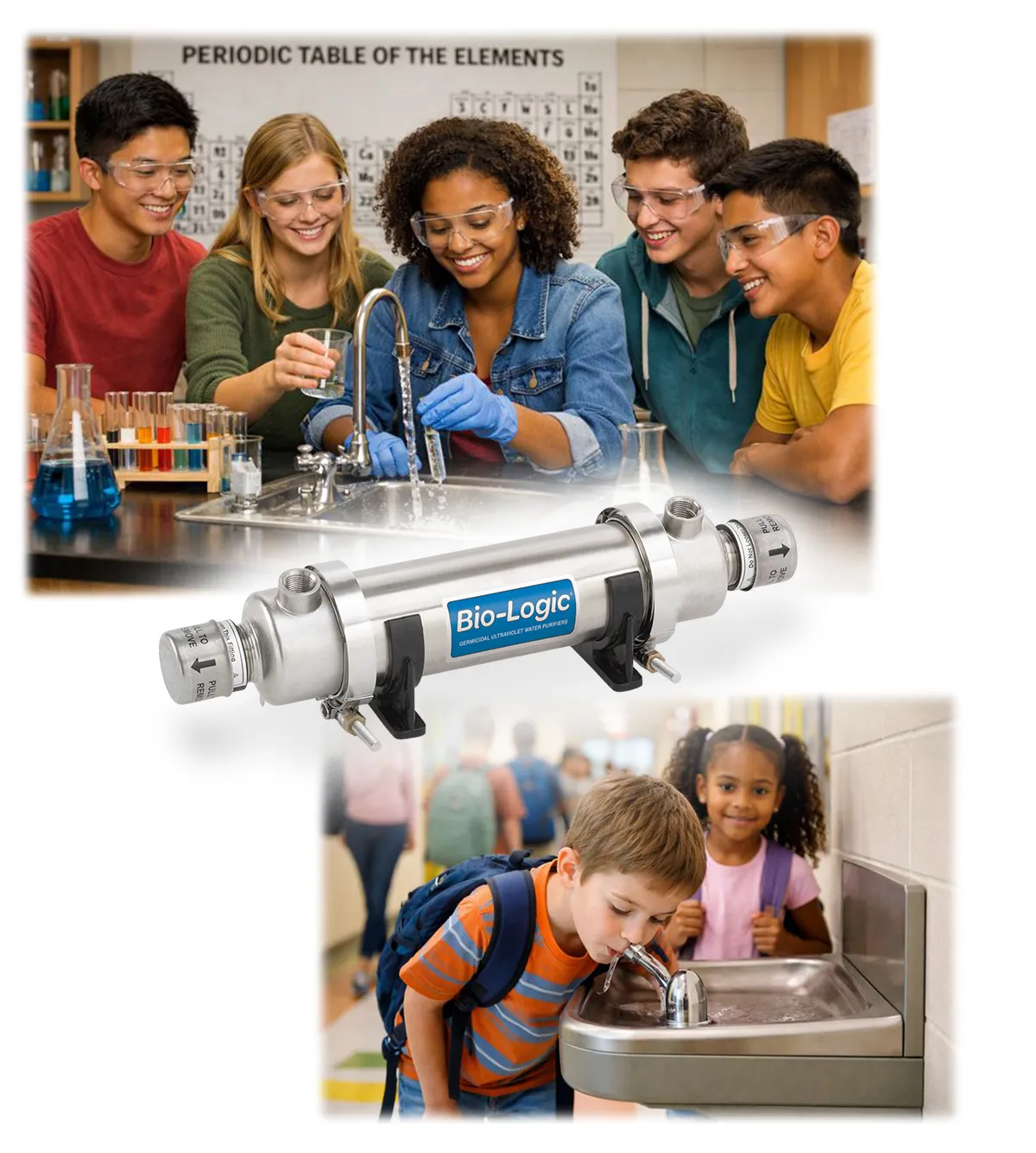
Lead exposure is of great concernopen_in_new in relation to upper grade lab sinks, bathroom sinks, and water fountains fed by aging pipes in educational institutions across the nation. But the existence of germs and parasites in the water supply is a greater issue that warrants a feasible plan of protection. Unfortunately, most schools do not check or flush their water pipesopen_in_new as they should. During school breaks, water can sit stagnant in the plumbing system for days, weeks, even months. Free-floating bacteria like Legionella have been found in the water flow as well as in filters, heaters, and cooling towers — places which are in direct contact with the water before it finds its way gets to the faucet.
Our Bio-Logic® UV Water Purifier is an under-the-sink solution that can help remedy these microbial risks when installed at the water’s point of use. Bio-Logic® models are available as standalone water purifiers (model BIO-1.5 or BIO-3.0) or as a combination water purifier and dual-filter system (Bio-Logic® with Pure Water Pack™).
“Poor water quality may impact retention or comprehension of material throughout the school year.”
—Michelle M. Marcus, Testing Above The Limit: Drinking Water Contamination And Test Scores
Point-of-Entry Water Disinfection
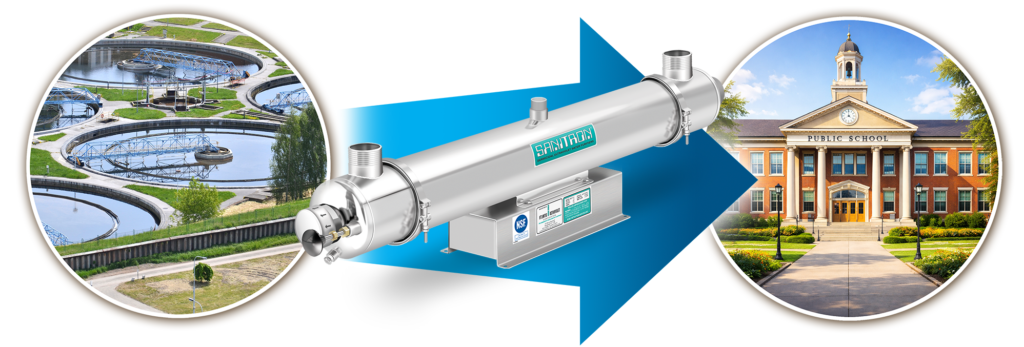
Pathogens can taint city water between the municipal treatment plant and your educational facility. Disinfect the gallons of water which pass through your building’s point of entry with our Sanitron® UV Water Purifier.
Treating up to 40 gallons per minute, this model neutralizes microorganisms at the source, providing safe and healthy water for students and faculty.
Lessons Learned
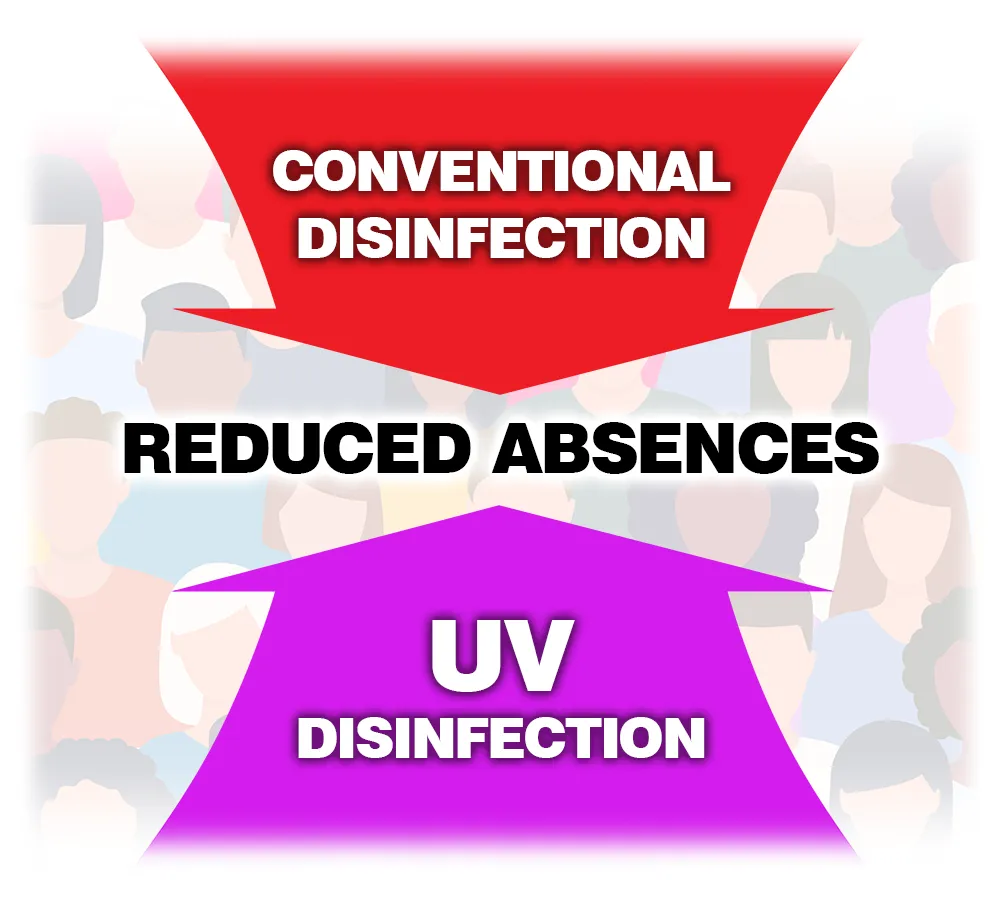
School boards have many means at their disposal to fight illness and germs within the schools and educational institutions under their jurisdiction. Conventional disinfection, combined with safe and efficient UV disinfection can keep students in class and reduce absences. Germicidal Ultraviolet Disinfection can help foster an environment where opportunities to learn and grow are not hindered by unnecessary health risks.
Contact Us for Help with Your School’s UV-C Program
We will help you determine the right products and the proper installation method, in order to provide the precise ultraviolet dosage for your needs.
Call: (631) 273-0500, Mon–Fri, 8am–6pm EST
Email: Sales@AtlanticUV.com
Additional Information
- CDC: Ventilation Improvements Among K–12 Public School Districtsopen_in_new
- CDC: About Germicidal Ultraviolet (GUV)open_in_new
- Ultraviolet Germicidal Irradiation Handbook, W. Kowalskiopen_in_new
- ASHRAE: Design Guidance for Education Facilitiesopen_in_new
- ASHRAE: Ultraviolet Air & Surface Treatmentopen_in_new
- EPA: Wastewater Technology Fact Sheet, Ultraviolet Disinfectionopen_in_new
- ASHRAE: Evaluating Ultraviolet Germicidal Irradiationopen_in_new
- The Conversation: Dangerous bacteria is showing up in school water systems, reminding all buildings closed for COVID-19 to check open_in_new
- Whiteboard Advisors: EPA Final Rule Will Require Replacement of Lead Pipes in Schools Over the Next Decadeopen_in_new
CM-000486