

Prepared to Meat the Challenges?
Meat and poultry processing facilities undergo a constant barrage of harmful microbes. These pathogens can be brought in on the product, acquired from tools, surfaces, and equipment, or transferred through contaminated air or water. Every phase of the processing chain is an opportunity for cross-contamination and meat deterioration. Due to this reality, approximately 20% of lossesopen_in_new in the meat sector take place during the processing and production stages.
The FDA requires its registered facilities to follow the preventative controls outlined in the Food Safety Modernization Act (FSMAopen_in_new). Since 1996, USDA’s Food Safety and Inspection Service (FSIS) has required the use of their process control system known as Hazard Analysis and Critical Control Points (HACCPopen_in_new). Ultraviolet disinfection, when implemented as part of a proper food safety plan, helps minimize the number of infected meat and poultry products on the market.

UV-C Benefits for Meat Processing Facilities
Traditional thermal methods of disinfection applied to meat products significantly deteriorateopen_in_new their texture, taste, flavor, and nutritional value. In contrast, the journal Food Control cites numerous studies to show how heat-free UV treatment reduces microbial countopen_in_new with little or no effect on the quality or sensory characteristics of beef, pork, chicken, and fish. UV disinfection can also be used to disinfect the surfaces of packaged productsopen_in_new.
UV radiation has a high bactericidal effect on various microorganisms in meat processing … but has little or no significant influence on the quality of meat and meat products, depending on the selection of different treatment parameters.
—Food Control Journalopen_in_new
Properly handled meat products treated with the right dose of germicidal ultraviolet last longer on shelvesopen_in_new, leading to increased profits. When compared with alternative thermal and non-thermal technologies, UV disinfection is more energy efficientopen_in_new. A higher food safety standard in your facility also provides safer working conditions.
Tackle These Meat Processing Microbes
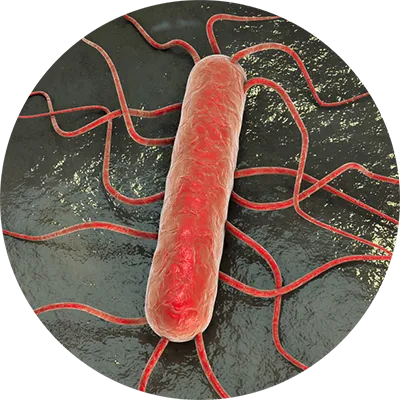
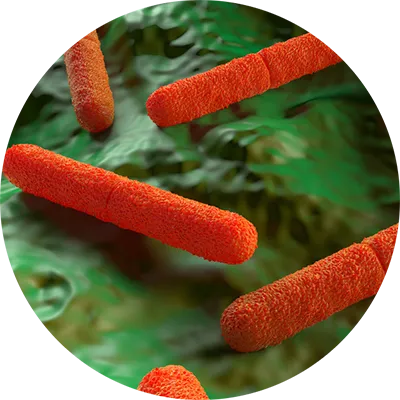
The microorganisms shown here have been found in processed meat and poultry, or the facilities that process them. Health hazards can come through ingestion or worker inhalation. Some of these microbes cause product recalls or meat spoilage. While bacteria are the main culprits, the conditions in slaughterhouse environments are also conducive to mold growth — specifically Aspergillus and Penicilliumopen_in_new. Fortunately, the proper dose of UV disinfection can neutralize these microbes in many meat processing departments.











Slaughtering & Evisceration Rooms
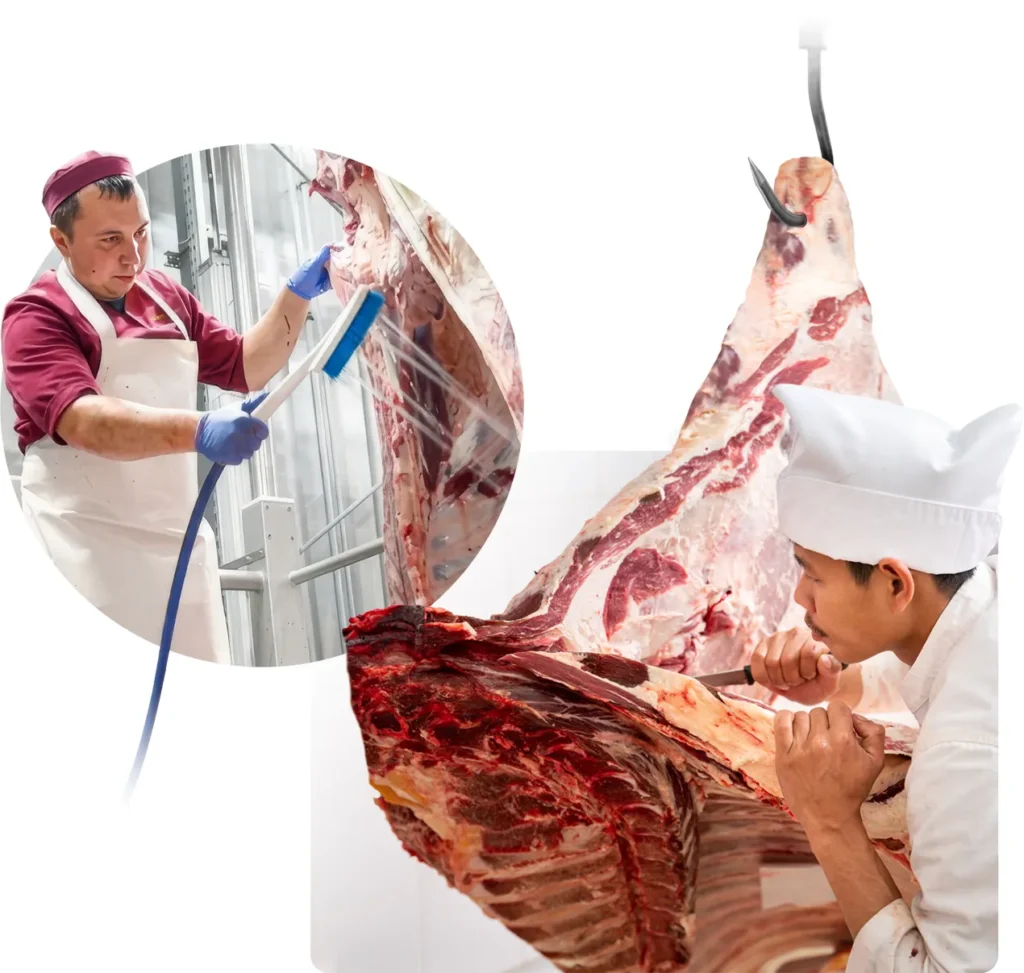
The nature of slaughtering rooms makes meat and poultry vulnerable to cross-contamination from surfaces, equipment, and even the air. Meat products that may already be harboring microbes can spread them onto these surfaces during the process of skimming, organ removal, and carcass rinsing. During the rinsing of carcasses, a contaminated water supply can deposit microbes onto the meat — or even into the air, transferring them to non-contact surfaces. UV disinfection, as part of a larger reclamation process, can help water used in slaughtering to be reused for certain purposesopen_in_new within your facility. Read more in our Water Reuse section below.
UV-C Solutions
- When mounted on the ceiling and turned on in unoccupied slaughtering rooms after initial sanitation, direct UV air and surface disinfection fixtures provide an additional layer of disinfection.
- A UV-purified water supply protects from the introduction of microbes from the water during carcass rinsing.
Chilling & Holding Rooms
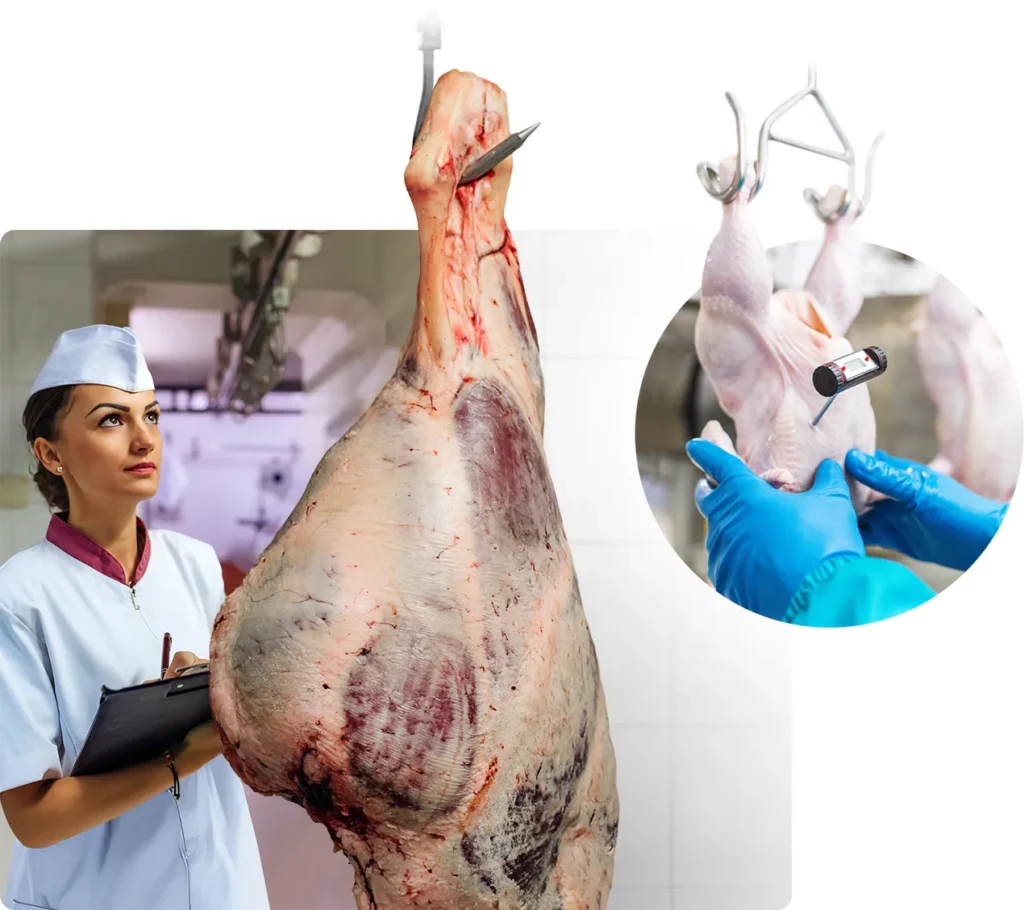
To thwart the spread of harmful microbes, meat and poultry must be quickly cooled and stored at the proper temperature after stunning, bleeding, and evisceration. Even if your processing facility follows good stabilization practices, the meat may still be vulnerable to bacterial growth. For facilities using spray chilling equipment, the process can introduce microorganisms if water is not properly disinfected. UV disinfection, when added to your reclamation process, helps reduce the microbial contamination of immersion chilling water so that it can be reused for certain purposesopen_in_new within your facility. Read more in our Water Reuse section below.
UV-C Solutions
- Cold cathode UV fixtures add a layer of protection in unoccupied air chilling spaces, helping to prevent rapid bacterial development on meat surfaces.
- Use UV disinfection to neutralize microbes in spray chilling water before they are deposited onto your meat or poultry products.
Sign Up to Receive the Latest UV Content!
Get monthly emails when new pages and blog posts are published, including these upcoming food and beverage application pages:
- Fruits & Vegetables
- Dairy Production
- Breweries & Beer Production
- Liquid Sugars (used in Fruit Juices, Soft Drinks & Beverages) & Edible Oils


Meat Aging
With the aging process comes wonderful meat flavor and texture. But depending on the conditions, there is also a greater risk of spoilage and foul odors. For both dry aging and wet aging, your meat facility must establish a controlled environment with the proper temperature, humidity, and airflow. Whether the aging process takes fourteen days, several weeks, or several months, certain microbes of concernopen_in_new can contaminate your meat products.
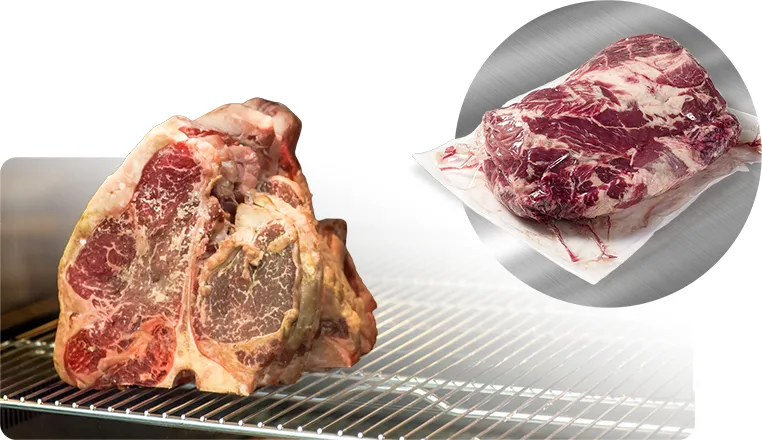
Wet Aging
Due to time and cost benefits, wet aging with vacuum packing is the preferred method for aged beef, pork, and lamb. But even in chilled conditions, Listeria monocytogenes can grow on all meat types, and Yersinia enterocolitica particularly grows on pork. Clostridium botulinum can multiply on vacuum-packed meat (without oxygen) if proper chilled conditions are not strictly maintained. Other bacteria can survive the aging process and be a threat in prepared meat.
Dry Aging
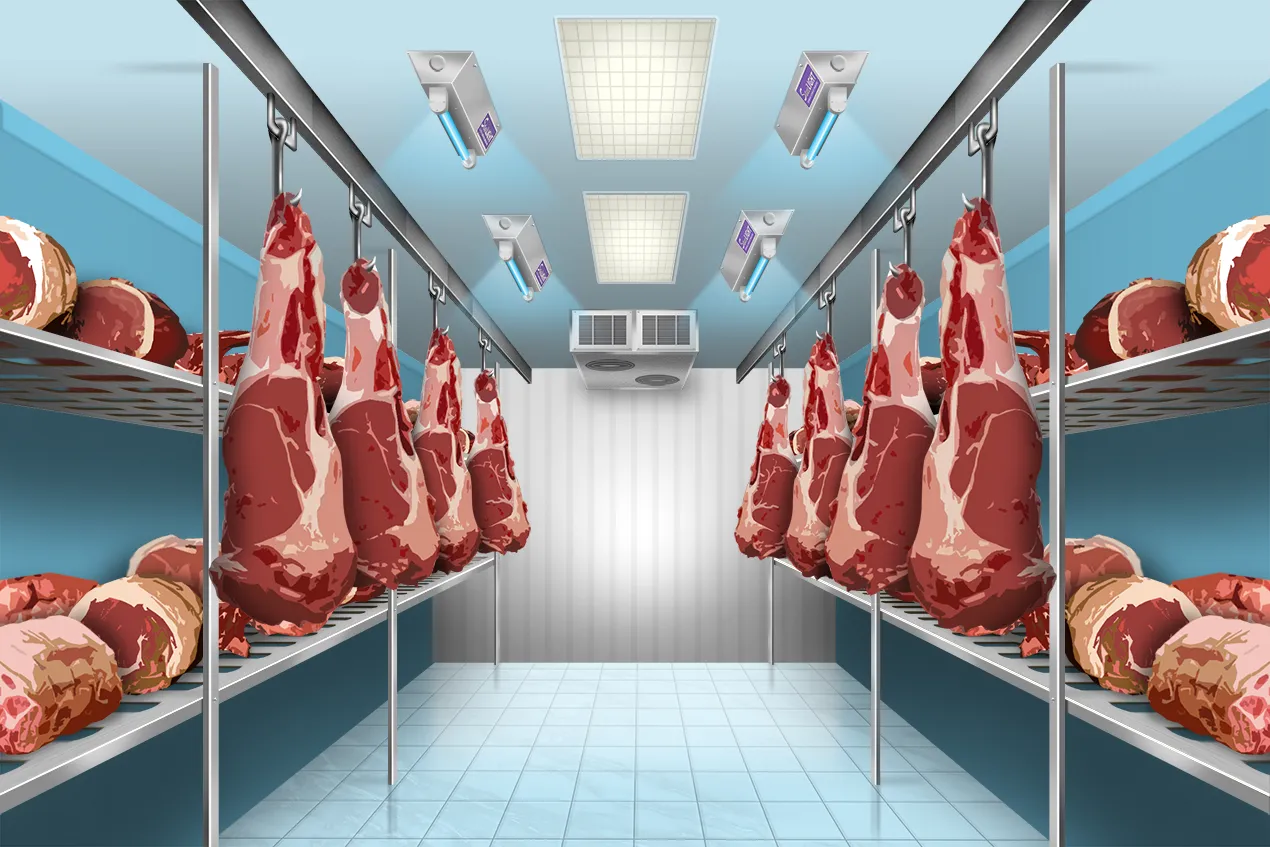
This method is primarily used with beef. Of particular importance is using wire racks or perforated shelves to ensure all meat surfaces are exposed to chilled air as it flows though the aging chamber. Pseudomonas bacteria, along with Aspergillus and Penicillium molds, are the main microbes of concern.
UV-C Solutions
- Ceiling-mounted direct UV fixtures can be evenly distributed throughout the aging chamber to ensure all circulated air is disinfected. A 2024 dry-aging regulationopen_in_new adopted by the European Union includes the following measure: “Air leaving the evaporator, returning to the evaporator and coming in contact with the beef must be filtered or UV treated.”
- UV air disinfection fixtures can also be mounted in ducts that feed into meat aging chambers.
- In between aging batches, unoccupied chambers should receive direct UV exposure after components are disinfected according to their standard processes.
Air leaving the evaporator, returning to the evaporator and coming in contact with the beef must be filtered or UV treated.
—EU Regulation 2024/1141open_in_new on dry-aging
Value-Added Meat Processing
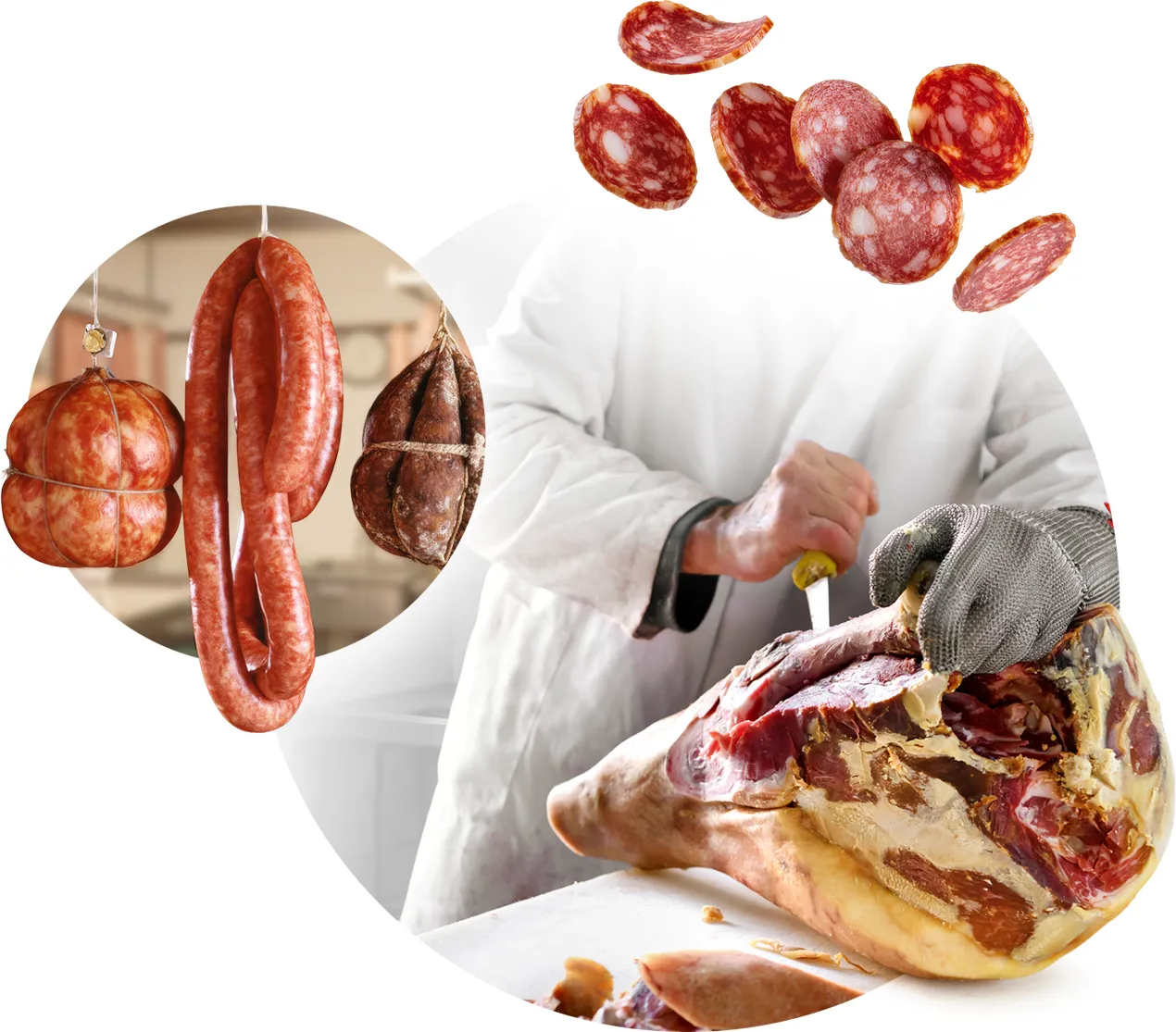
Fermenting, Curing & Drying
Facilities can expand their meat product offerings through fermentation, salt curing, and drying. But meat that undergoes these processes faces additional risk of Salmonella, E. coli, and Listeria contamination. As demonstrated by several studiesopen_in_new, the bacterial reductions USDA recommends are not usually accomplished by standard safety measures alone. Thus, additional antimicrobial interventions should be adopted to help neutralize these pathogens in ready-to-eat (RTE), shelf-stable meat.
While mold is not the main concern, Penicillium and Aspergillus can grow on the surface of hamopen_in_new during dry curing. FSIS statesopen_in_new that since fermentation, curing, and drying are not effective for molds, facilities should rely on sanitation to prevent them. Contaminated spices and herbsopen_in_new applied during these processes can also compromise fermented, cured, and dried meat. For smaller facilities processing pasture-raised or non-confinement-raised swineopen_in_new, Trichinella spiralis and Toxoplasma gondii can also be a concern. In addition to specified curing methods, irradiation is an FSIS-approved interventionopen_in_new against these porcine parasites — marking UV-C rays as a possible disinfection enhancement.
Dangers During the Cooling Process
According to FSIS stabilization guidelinesopen_in_new, the bacteria C. perfringens and C. botulinum are the primary microbial threats during the cooling of ready-to-eat and not-ready-to-eat (NRTE) meat and poultry products. If bacterial spores survive the fermentation, curing, and drying processes, they can multiply to high levels if rapid cooling is not conducted. Even though the normal oxygen level will retard the growth of these organisms, they do not need a complete lack of oxygen to grow well. So, they remain a concern.
Listeria is Lurking
Listeria monocytogenes (Lm) is a bacterium known for causing product recalls. In addition to its high tolerance to standard lethality treatments, this microbe can contaminate ready-to-eat meat after its initial processing. FSIS directs meat facilitiesopen_in_new to “maintain sanitation in the RTE area to ensure that food contact surfaces are free of contamination from Lm and other pathogens, such as Salmonella.” In its Meat and Poultry Hazards and Controls Guide, UV disinfection is listed as a frequently used antimicrobial processopen_in_new to help suppress the growth of Listeria in post-processing environments where peeling, slicing, dicing, chopping, mincing, surface rub, and repackaging take place.
Ultraviolet treatment can be used either as a post-lethality treatment or antimicrobial agent or process depending on whether it eliminates, reduces, or suppresses growth of Lm.
— FSIS Listeria Guidelineopen_in_new
UV-C Solutions
- Mount UV-C cold cathode fixtures in dry curing, equalization, and cooling chambers to treat meat surfaces and circulated air. According to FSIS guidanceopen_in_new, make sure there is adequate space between products, walls, floors, and ceilings.
- After regular sanitation procedures, use UV-C fixtures mounted in unoccupied chambers to expose racks, sticks, and screens used for RTE product. FSIS remarksopen_in_new that these items could become contaminated even after cooking.
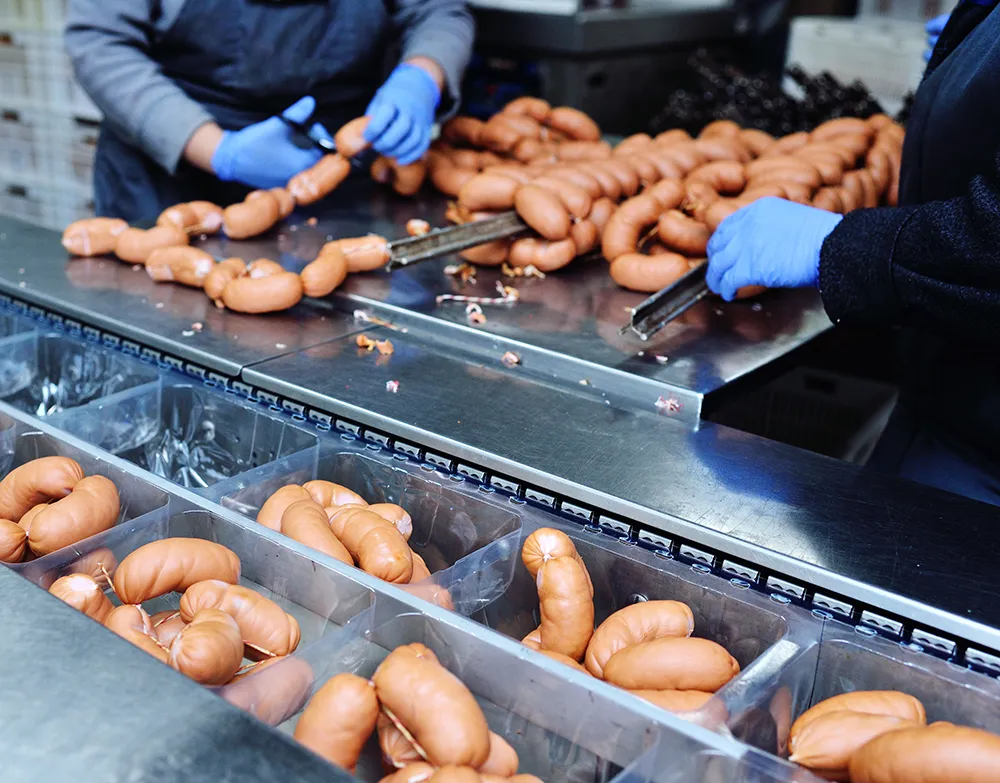
- In facilities using continuous bacon slicing and wrapping machines, direct UV-C fixtures can be mounted for continuous disinfection as meat is transported from the slicer to the wrapping position.
- Meat facilities processing the RTE and NRTE pork products described above should install UV disinfection fixtures in their dry curing and temperature stabilization rooms.
Meat Processing Equipment
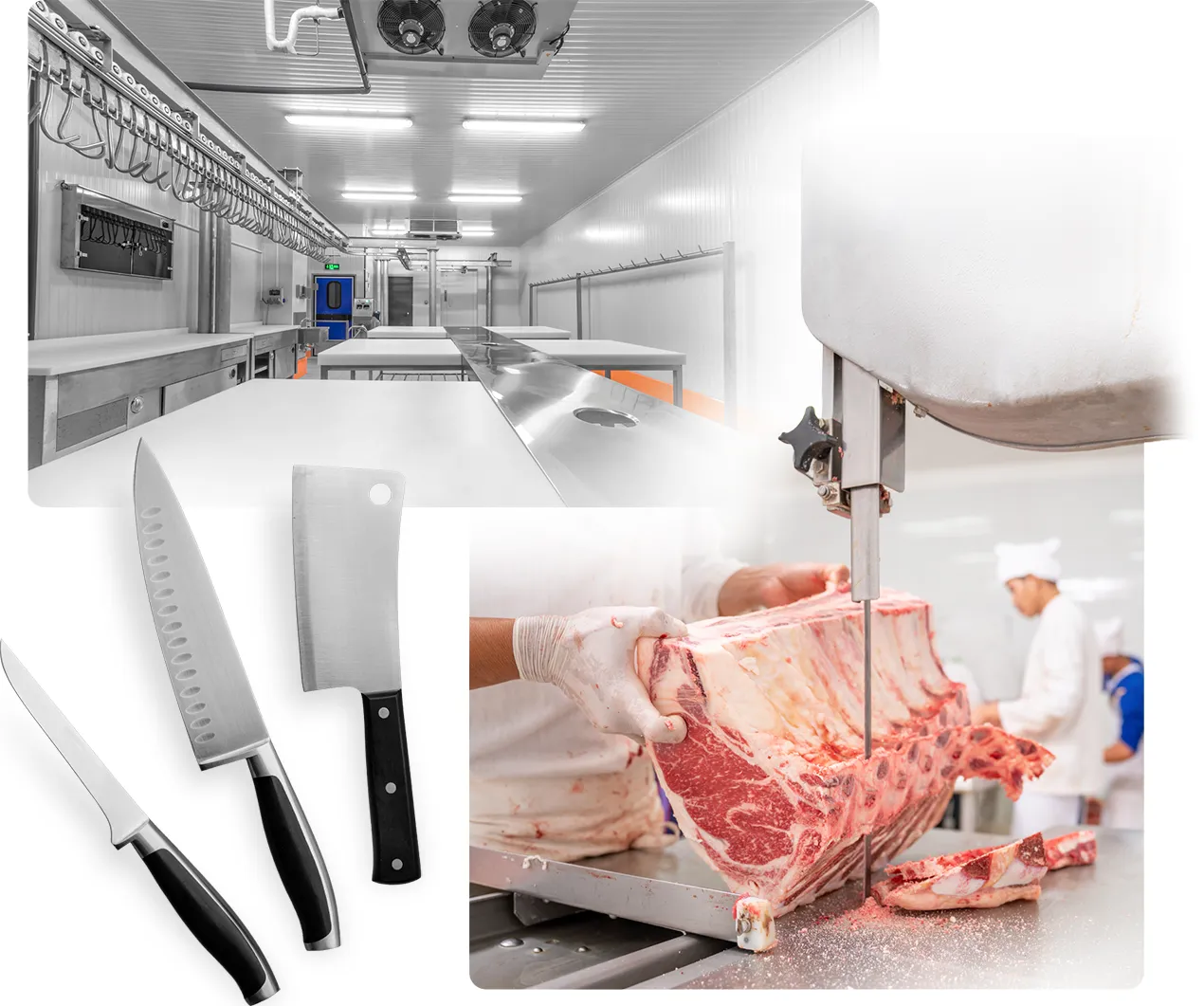
Even after they are visually clean and have undergone standard disinfection between shifts, meat processing tools and equipment can harbor bacteria. Microbes that are transferred to equipment surfaces during grinding, mixing, chopping, boning, and mincing can be allowed to survive and form biofilms. Samples taken at a Russian facilityopen_in_new found these bacterial communities on cutting tables, meat forming equipment, and drainpipe walls. Several studiesopen_in_new have shown a correlation between E. coli strains found on chilled carcasses and fabrication equipment, revealing the processing environment to be a contributing factor — particularly conveyor belts.
Conveyor belts can contaminate raw or ready-to-eat products. In addition to E. coli and Pseudomonas, Listeria can form biofilms that are able to survive on equipment for monthsopen_in_new. A study published in the journal Foodborne Pathogens and Disease found UV-C light to significantly reduce Listeria populations on various types of conveyor belt surfacesopen_in_new.
UV-C Solutions
- Install UV fixtures on conveyor belts, either mounted below to disinfect the belt or above as a UV tunnel that also treats the meat products.
- Facilities using Clean-in-Place (CIP) equipment for their mixers, storage vessels, and homogenizers can disinfect the final rinse cycle with UV water purification to ensure new microbes are not introduced.
- After your regular cleaning shift, use portable UV sanitizers to treat walls, floors, working surfaces, and equipment with direct UV-C rays after hours.
- Provide extra disinfection for clean knives, saws, and shears by running them through a treatment cycle in a UV-C disinfection cabinet.
Water Reuse
Your meat or poultry processing facility requires heavy water use, especially during carcass washing, chilling, and cleaning of the slaughterhouse. With rising energy costs and the fragile nature of water availability in your area, reusing water brings significant benefits.
No matter the water’s secondary use in processing meat or poultry, FSIS standardsopen_in_new state that an ongoing microbiological monitoring plan should be established. Adding UV disinfection to your reclamation process helps ensure this water is safe for its intended purpose. For meat facilities equipped to accommodate wastewater treatment, UV disinfection can help them meet effluent quality discharge standardsopen_in_new and municipal regulations.
An ongoing microbiological monitoring plan should be established to ensure that the continuous safety of the reuse water from the establishment’s wastewater treatment facility or other processing water are maintained pathogen free.
—FSIS, Sanitation Performance Standards Compliance Guideopen_in_new
Need help? Contact Our UV Application Specialists
We will help you determine the right products, and the proper installation method in order to provide the precise ultraviolet dosage for your needs.
Call: (631) 273-0500, Mon–Fri, 8am–6pm EST
Email: Sales@AtlanticUV.com
Additional Information
- FSMA Final Rule for Preventive Controls for Human Foodopen_in_new
- USDA Food Safety & Inspection Service: Safe Food Handling and Preparationopen_in_new
- FDA: Food Irradiation: What You Need to Knowopen_in_new
- FSIS Compliance Guideline: Controlling Listeria monocytogenes in Post-lethality Exposed Ready-to-Eat Meat and Poultry Productsopen_in_new
- Meat Irradiation: A Comprehensive Review of Its Impact on Food Quality and Safetyopen_in_new
CM-000243